

How to Build a Morning Routine That Actually Sticks
We've all been there. You read about someone's amazing 5 AM morning routine that includes meditation, journaling, exercise, a healthy breakfast, and productive work time – all before 8 AM. Inspired, you set your alarm early and commit to transforming your mornings. For a few days, maybe even a week, you stick with it. Then life happens, you sleep through your alarm one morning, and the whole routine falls apart.
The problem isn't your willpower or discipline. The problem is that most morning routine advice ignores the fundamental principles of habit formation and sustainable behavior change. Let's fix that.
Start Ridiculously Small
The biggest mistake people make is trying to overhaul their entire morning at once. Instead of adding five new habits, start with one tiny behavior that takes less than two minutes. Want to start meditating? Begin with just two minutes. Want to exercise? Start with five push-ups. Want to journal? Write one sentence.
This might feel too easy, almost laughably small. That's exactly the point. You're not trying to achieve dramatic results immediately – you're trying to establish the habit of showing up. Once the behavior becomes automatic, you can gradually increase the duration or intensity.
Anchor to Existing Habits
Your brain loves patterns and associations. Use this to your advantage by attaching new habits to behaviors you already do consistently. This is called habit stacking. For example: "After I pour my morning coffee, I will write one sentence in my gratitude journal." Or "After I brush my teeth, I will do five push-ups."
The existing habit serves as a trigger for the new behavior, making it much easier to remember and execute. Over time, the two behaviors become linked in your mind, and the new habit feels as natural as the old one.
Design Your Environment
Willpower is overrated and unreliable. Instead of relying on motivation, design your environment to make good behaviors easy and bad behaviors difficult. Lay out your workout clothes the night before. Put your journal and pen on your pillow so you see them first thing in the morning. Set up your coffee maker on a timer so the smell wakes you up.
Remove friction from desired behaviors and add friction to undesired ones. If you want to stop checking your phone first thing in the morning, charge it in another room. If you want to drink more water, fill a glass and place it on your nightstand before bed.
Focus on Identity, Not Outcomes
Instead of setting outcome-based goals ("I want to lose 10 pounds"), focus on identity-based goals ("I'm becoming someone who prioritizes their health"). Every time you complete your morning routine, you're casting a vote for this new identity. You're proving to yourself that you're the type of person who shows up for themselves.
This shift in mindset is powerful because it changes your relationship with the behavior. You're not forcing yourself to do something you don't want to do – you're simply acting in alignment with who you are.
Plan for Obstacles
You will oversleep. You will have early morning meetings. You will travel and be in a different environment. These disruptions are inevitable, so plan for them in advance. Create a "minimum viable routine" that you can do even on your worst days. Maybe it's just two minutes of breathing and a glass of water. Having this backup plan prevents the all-or-nothing thinking that derails most people.
Track Your Progress
There's something deeply satisfying about seeing a visual representation of your consistency. Use a habit tracker – it can be as simple as marking an X on a calendar for each day you complete your routine. This creates a chain of successes that you'll be motivated to maintain. As Jerry Seinfeld famously said, "Don't break the chain."
Be Patient and Compassionate
Research suggests it takes an average of 66 days for a new behavior to become automatic. That's over two months of consistent practice. Most people give up after a week or two, assuming they've failed. But habit formation is a process, not an event. There will be setbacks and imperfect days. What matters is getting back on track quickly rather than spiraling into self-criticism.
Your Morning, Your Rules
Remember, there's no one-size-fits-all perfect morning routine. The best routine is the one you'll actually do consistently. Don't feel pressured to wake up at 5 AM if you're naturally a night owl. Don't force yourself to meditate if it feels like torture. Experiment with different activities and timings until you find what genuinely serves you.
Your morning routine should energize you, not exhaust you. It should add to your life, not feel like another obligation. Start small, be consistent, and trust the process. Small changes, repeated daily, create remarkable transformations over time.
What's one tiny habit you'll add to your morning tomorrow? Share in the comments – I'd love to hear what you're working on!
Tags
Enjoyed this article?
Subscribe to our newsletter for more inspiring content delivered to your inbox every week.
More Articles

The 10-Minute Morning Skincare Routine That Changed My Life
Discover the simple yet transformative morning skincare routine that will give you glowing, radiant skin in just 10 minutes a day.
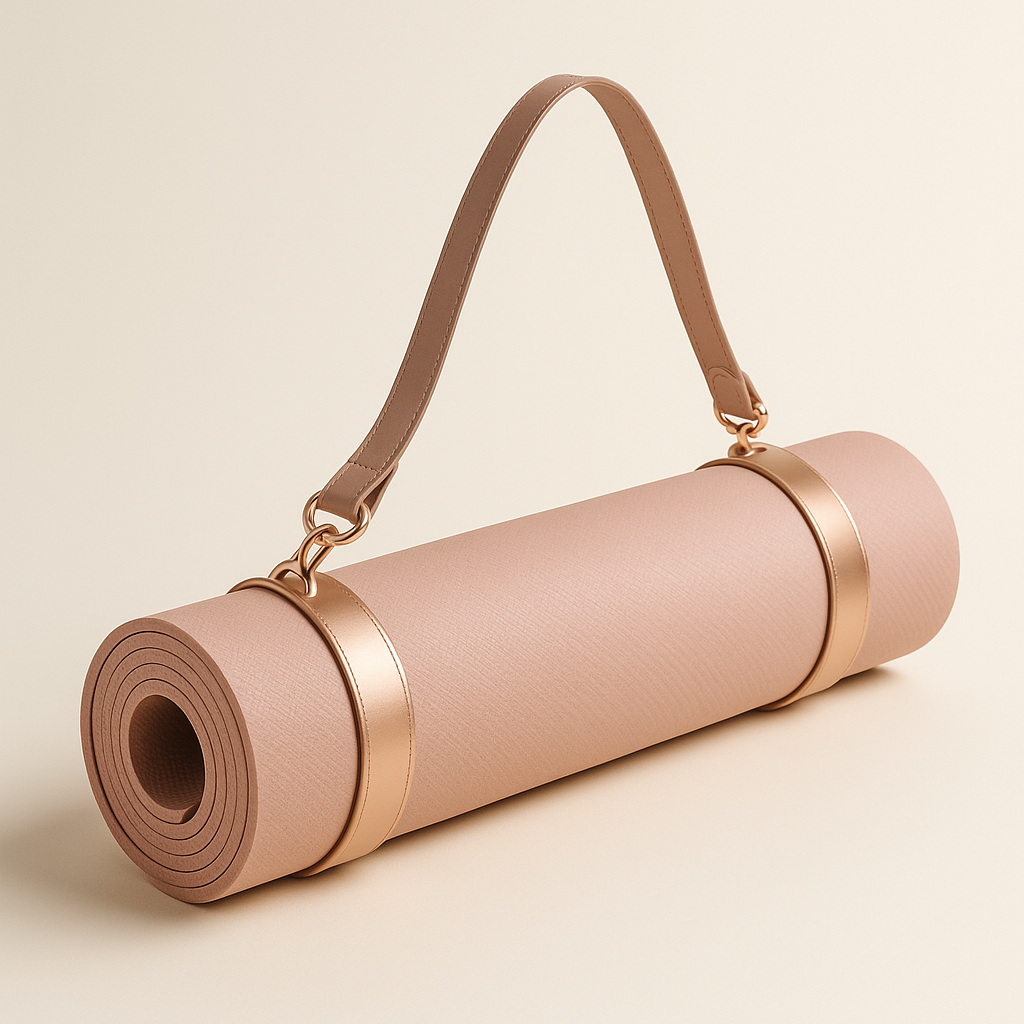
The Beginner's Guide to Effective Home Workouts
No gym? No problem. Learn how to build strength, burn fat, and improve fitness from the comfort of your own home with minimal equipment.
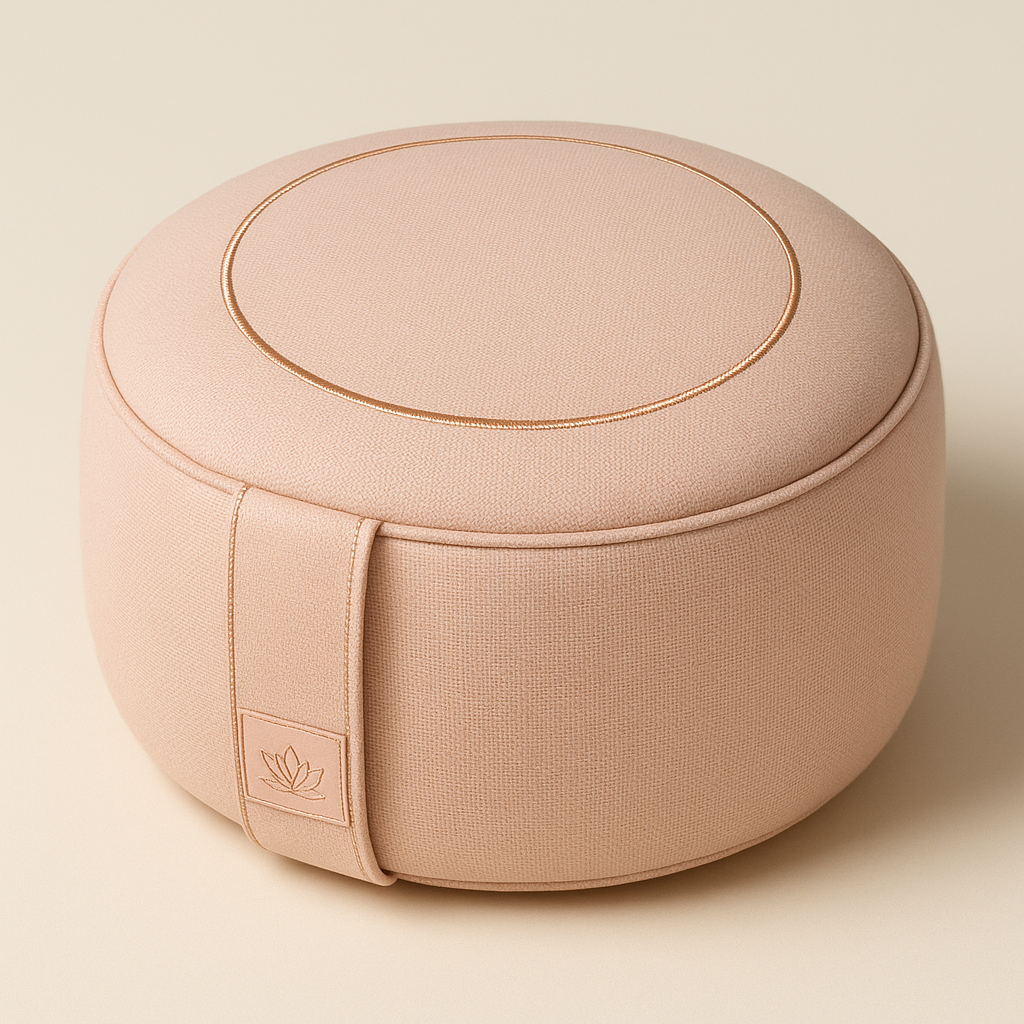
5 Mindfulness Practices for Busy Professionals
Reduce stress, improve focus, and find more peace in your daily life with these simple mindfulness techniques that fit into even the busiest schedule.